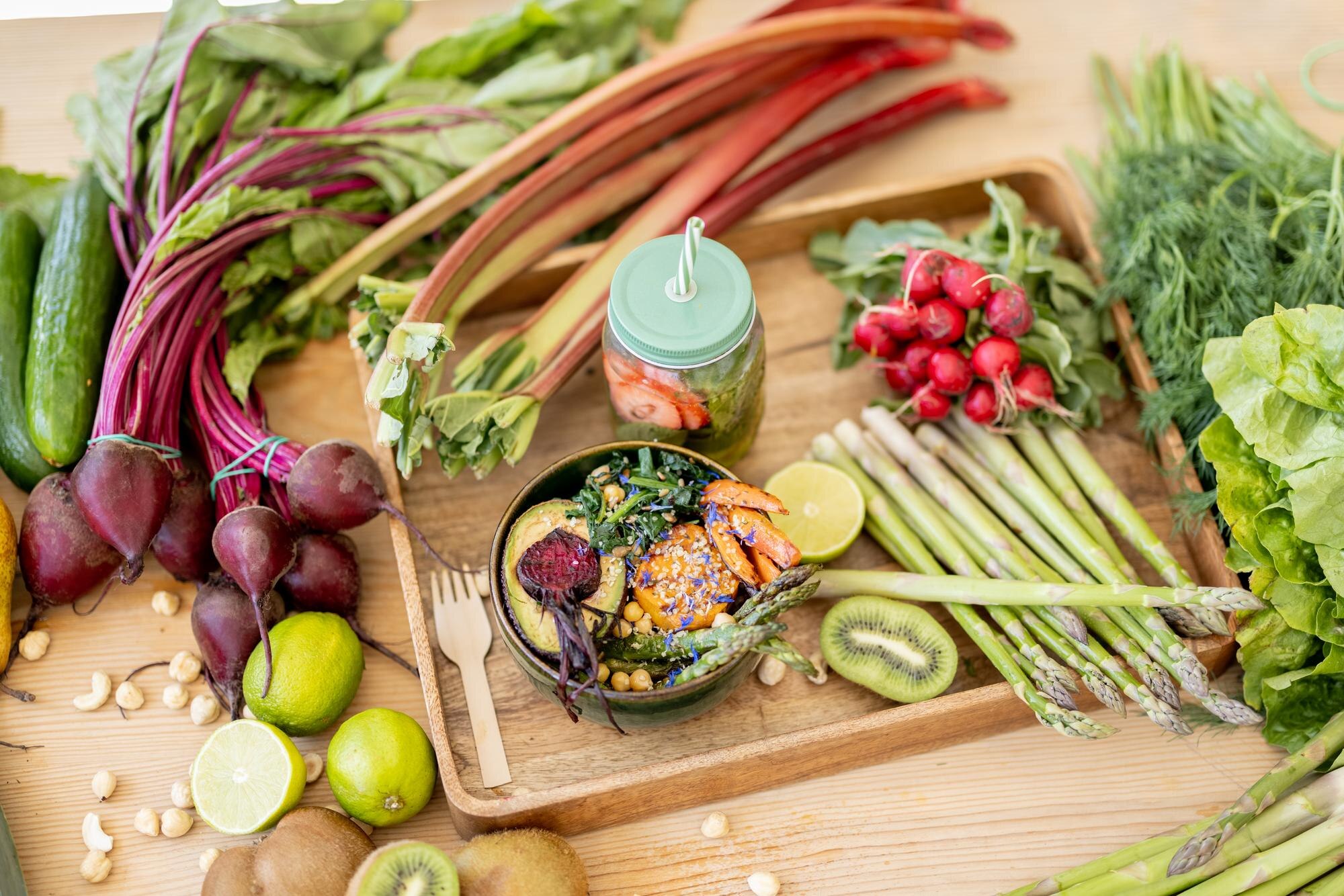
Small Lifestyle Shifts: Big Wins for Your Hormone Balance and Gut Health
Hormone balance and gut health often feel like separate puzzles, yet they’re deeply connected—and small lifestyle changes can shift the whole picture. If you’re tired of feeling fatigued, bloated, or foggy while labs say “normal,” you’re not alone. This guide breaks down simple, science-backed steps that gently support your gut-brain connection and hormone health without overwhelm or extremes. Ready for clarity that actually fits your life? Learn more about this connection here.
Small Steps for Big Hormone Wins

Hormone balance can feel elusive, but a few small adjustments make a significant difference. Let’s explore ways to start your day with hormone health in mind.
Morning Ritual for Hormone Balance
Starting your morning with intention sets the tone for the rest of the day. Try drinking a glass of warm lemon water. This simple habit aids digestion and hydrates your body. It subtly jumpstarts your metabolism, which can help balance hormones like cortisol.
Next, incorporate movement into your morning. Gentle stretching or a short walk helps reduce stress levels and promotes endorphin release. These actions support both mental clarity and hormone balance. The key is consistency; even 10 minutes daily can shift your wellness.
Eating a protein-rich breakfast is another cornerstone of hormone health. Consider eggs or a plant-based protein smoothie. Protein stabilizes blood sugar levels, curbing those midday energy crashes. You may not notice changes immediately, but over time, these adjustments lead to more stability and less fatigue.
Mindful Eating for Hormone Health
Transform your meals into moments of nourishment. Mindful eating isn’t just about choosing the right foods; it’s also about how you eat. Slow down and savor each bite. This practice enhances digestion by allowing your gut to properly signal fullness to your brain.
Balancing macronutrients at each meal is crucial. Include healthy fats, proteins, and complex carbs. For example, pair avocado with whole-grain toast or nuts with a fruit salad. These combinations stabilize insulin, a critical hormone for overall balance.
Avoid distractions while eating. Turning off screens and focusing on your meal can reduce stress levels, which can wreak havoc on hormones. Recognizing hunger cues helps prevent overeating, keeping both your gut and hormones happy. For more insights on maintaining hormonal balance, check out this article from Healthline.
Gut Health Habits for Every Day

Supporting your gut doesn’t require drastic measures. Simple daily habits nurture both your gut and hormonal harmony.
Fermented Foods for Gut Health
Fermented foods are a powerhouse for gut health. Adding foods like yogurt, kimchi, or sauerkraut introduces beneficial bacteria to your digestive system. These probiotics help maintain balance in your gut microbiome, essential for hormone regulation.
Aim to include a serving of fermented foods in your meals every day. Try kefir in your breakfast or a side of pickles with lunch. Each small addition can enhance gut function and, consequently, hormone balance. It’s about integration, not overhaul.
Experiment with different options to find what suits your taste. If you’re new to fermented foods, start small. A tablespoon of sauerkraut or a few sips of kombucha can be a good beginning. Learn more about the impact of diet on hormone health from Baylor Scott & White Health.
Stress Reduction Techniques
Stress management is key to gut and hormone health. Try deep breathing exercises or meditation. Even just five minutes can shift your body’s stress response, lowering cortisol levels and aiding digestion.
Regular movement also plays a role. Incorporate activities like yoga or tai chi. These exercises promote relaxation and enhance the gut-brain connection. They encourage mindful awareness, which benefits both emotional and physical health.
Identify stressors in your daily routine and find ways to address them. Whether it’s through setting boundaries or practicing gratitude, small shifts in mindset can lead to big changes in how stress impacts your body.
Connecting Gut and Hormones

The gut-brain connection is a vital piece of the wellness puzzle. Understanding this relationship empowers you to make informed choices for better health.
Understanding the Gut-Brain Connection
Your gut and brain communicate constantly. This axis influences everything from mood to digestion. Stress can alter gut bacteria, impacting serotonin levels—a key hormone for happiness.
Prioritize gut health to support your mental well-being. A balanced diet rich in fiber and probiotics supports this connection. It’s not just about what you eat, but how it makes you feel.
Remember, most of your body’s serotonin is produced in the gut. By caring for your digestive system, you’re supporting your mental health too. For a deeper dive into how nutrition influences hormone signaling, explore this article from IFM.
Holistic Nutrition Tips for Balance
Holistic nutrition encompasses more than just food. Consider hydration, sleep, and stress management as part of your nutritional strategy. Water is crucial for digestion and detoxification, while adequate sleep supports hormone regulation.
Incorporate a variety of colorful fruits and vegetables to ensure a diverse nutrient intake. Think beyond calories; focus on nourishment. This approach aids in reducing inflammation and stabilizing energy levels.
Lastly, remember the power of small, consistent changes. Shift your focus from perfection to progress. Every mindful choice brings you closer to balance. For additional guidance on hormonal imbalances and solutions, refer to this informative UCLA Health article.
🌿✨
By integrating these manageable changes into your daily routine, you take significant steps towards achieving hormone balance and gut health. Embrace this journey with patience and curiosity, knowing that each small action is a powerful investment in your well-being.
Join the Synergy Reset community, link in bio!
Leave a Reply