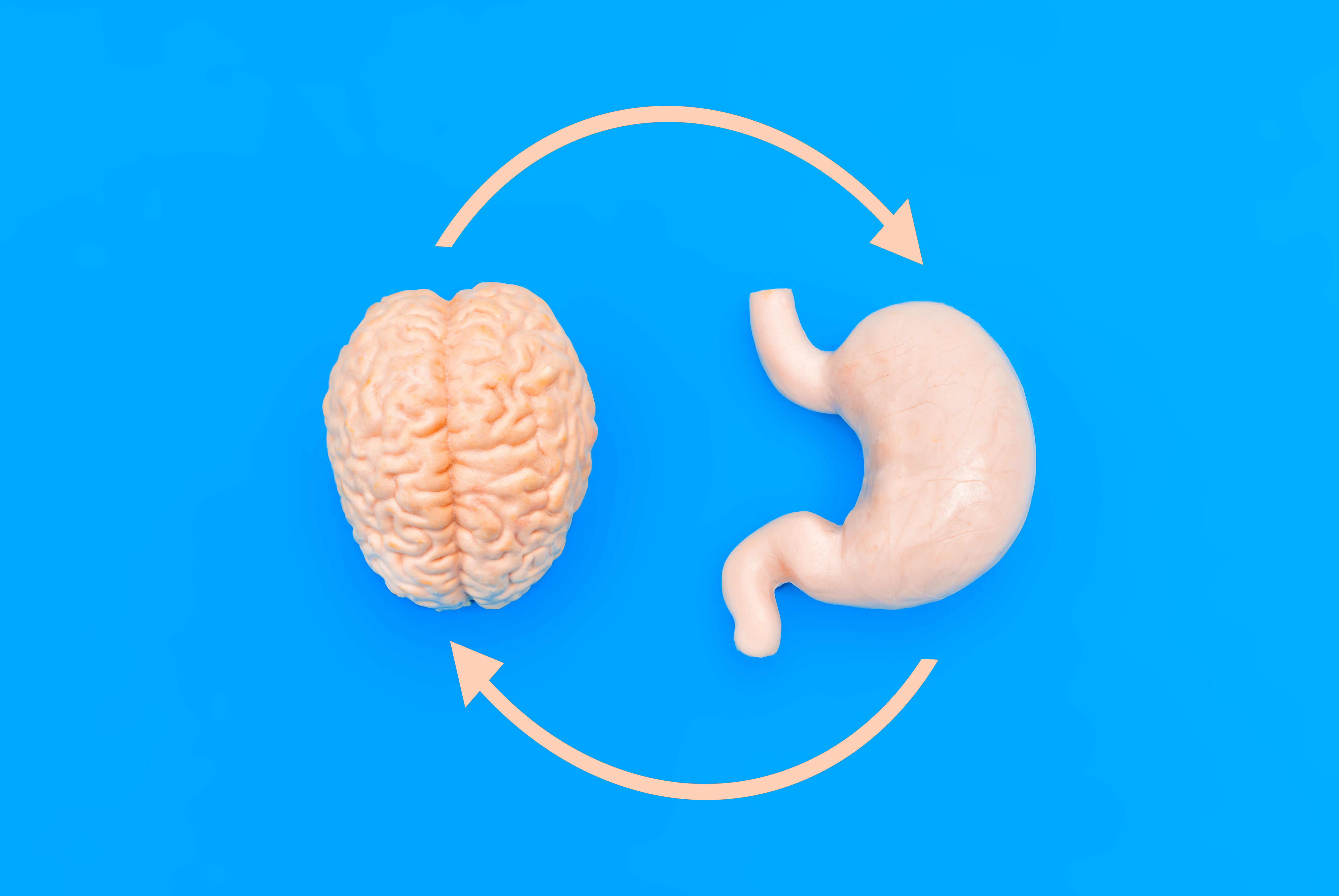
Unlocking Vitality: Innovative Approaches to the Gut-Brain Connection
Gut health isn’t just about digestion—it’s a key player in your nervous system support and hormone balance. When the gut-brain connection falters, fatigue, brain fog, and mood shifts often follow. The latest science-backed methods offer clear, doable ways to restore this link for sustained vitality and better functional health. Ready to see how small shifts can bring lasting clarity and energy? Learn more about the gut-brain connection.
Understanding the Gut-Brain Connection

The gut-brain connection is a powerful link that influences mood, energy, and overall health. It’s not merely about digestion; it’s a communication network between your gut and brain. Understanding this connection is crucial for unlocking sustained vitality.
Key Components of Gut-Brain Health
At the heart of gut-brain health are neurotransmitters, gut bacteria, and the vagus nerve. These components communicate through complex signals. Neurotransmitters like serotonin, primarily made in the gut, affect mood and sleep. A healthy balance of gut bacteria supports the immune system and brain function. The vagus nerve acts as a direct line, controlling messages between the gut and brain. When these elements work in harmony, they promote mental clarity and emotional balance.
The gut is often called the “second brain” because of its vast nerve network. This connection helps manage emotions and stress responses. When gut health falters, it can lead to brain fog and mood swings. Most people think gut issues are separate from mental health, but they are deeply intertwined. Recognizing this link can transform how you approach health.
Common Symptoms and Their Causes
Fatigue, bloating, and anxiety often signal an imbalanced gut-brain axis. These symptoms might stem from diet, stress, or lack of sleep. Poor nutrition can disrupt gut bacteria, while chronic stress alters gut-brain communication. Inflammation in the gut can impact neurotransmitter production, leading to mood shifts.
Consider this: a person experiencing brain fog may actually have an underlying gut issue. It’s not always obvious, but addressing gut health can lead to substantial improvements in mental clarity. The longer you wait to tackle these symptoms, the more complex they become, highlighting the need for early intervention.
Strategies for Sustained Vitality

Restoring the gut-brain connection involves targeted strategies that address root causes. By focusing on nutrition and hormone balance, you can achieve sustained vitality.
Nutrition and the Gut-Brain Axis
Nutrition is a cornerstone of health, directly impacting the gut-brain axis. A balanced diet provides the nutrients your gut needs to thrive. Whole foods, rich in fiber, support a diverse gut microbiome. Omega-3 fatty acids, found in fish, promote brain health. Probiotics, like those in yogurt, enhance gut bacteria diversity, improving mood and energy levels.
Most people overlook how diet affects mental health. A person who eats processed foods may experience more fatigue and brain fog. By switching to nutrient-dense foods, you can see rapid improvements. Here’s the key insight: small dietary changes can significantly impact your gut and brain health. Learn more about gut-brain connection and nutrition.
Hormone Balance and Nervous System Support
Hormones play a vital role in the gut-brain connection. They regulate stress responses and mood stability. Cortisol, the stress hormone, can disrupt gut health if consistently elevated. Balancing hormones involves managing stress and ensuring adequate sleep.
Supporting the nervous system enhances resilience against stress. Practices like yoga and meditation calm the nervous system, reducing cortisol levels. This not only improves gut health but also supports hormone balance. Remember, most people think stress management is optional, but it’s essential for gut and brain health.
Practical Steps to Enhance Gut Health

Enhancing gut health requires actionable steps that are simple yet effective. By making targeted lifestyle changes, you can improve functional health and energy levels.
Lifestyle Changes for Functional Health
Implementing lifestyle changes boosts gut function. Regular exercise increases blood flow to the gut, supporting digestion. Staying hydrated aids nutrient absorption. Prioritizing sleep allows the body to repair and regenerate, benefiting both the gut and brain.
Consider these steps:
-
Exercise regularly – Aim for 30 minutes a day to improve gut motility.
-
Stay hydrated – Drink at least 8 glasses of water daily.
-
Prioritize sleep – Aim for 7-9 hours of sleep each night.
Each of these changes supports gut health and overall vitality. Most people underestimate the power of lifestyle habits, but they are foundational for health improvements.
Chronic Fatigue Solutions and Energy Boosters
Chronic fatigue often stems from an imbalanced gut-brain connection. Addressing this requires a multifaceted approach. Start by optimizing your diet with energy-boosting foods like nuts and whole grains. Incorporate short, frequent walks to combat fatigue.
Energy boosters include:
-
Nuts and seeds – Provide sustained energy throughout the day.
-
Whole grains – Stabilize blood sugar and prevent energy crashes.
People often believe that fatigue is unavoidable, but targeted solutions can make a difference. By addressing the root causes, you can restore energy and vitality. For more insights, explore chronic fatigue solutions.
Conclusion
Improving the gut-brain connection is crucial for overall well-being. By understanding its components and addressing symptoms, you can achieve sustained vitality. Implement strategies that focus on nutrition and hormone balance, and take practical steps to enhance gut health. Remember, the journey to vitality begins with small, consistent changes.
Leave a Reply