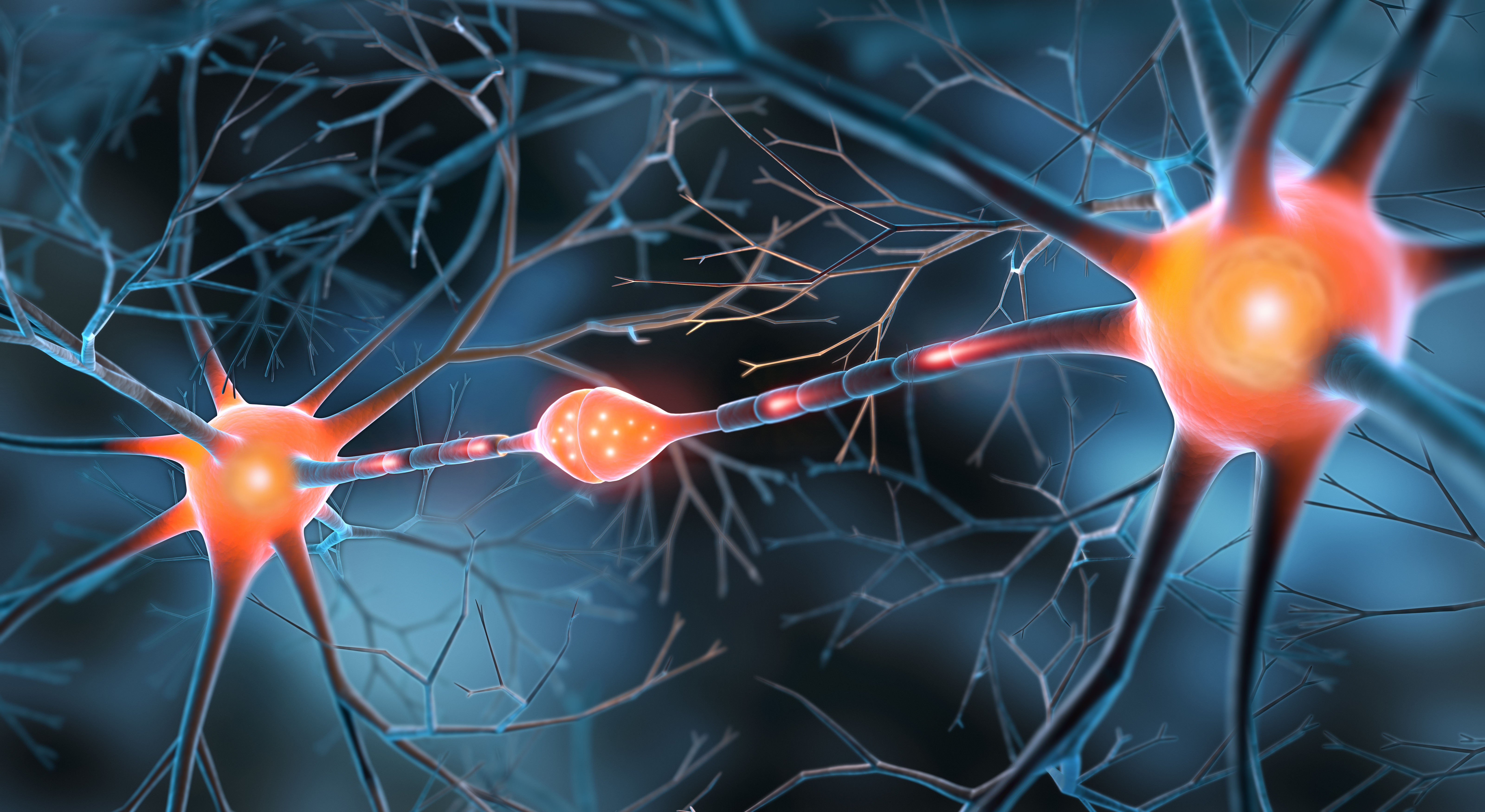
Chronic inflammation feels like a puzzle with missing pieces, fatigue, brain fog, mood swings, and gut troubles all tangled together. What if your nervous system is the hidden switch tipping this balance? Understanding its role opens a clearer path to calming inflammation and supporting your hormones and gut. Here’s how your nervous system quietly shapes inflammation balance, and what you can do to regain control. Explore our Synergy Reset Program for a personalized approach to balancing your nervous system and reducing inflammation.
Nervous System’s Hidden Influence

Your nervous system plays a crucial role in maintaining the balance of inflammation throughout your body. It acts as an invisible force, quietly shaping how your body responds to stress and external threats. When this balance tips, it can lead to chronic inflammation, affecting your overall health. Here’s how understanding this connection can transform your well-being.
Understanding Inflammation Balance
The nervous system communicates with your immune system to regulate inflammation. It’s like a conductor in an orchestra, ensuring every part works in harmony. When working well, it helps keep inflammation in check, promoting health. But when misaligned, the system can lead to persistent inflammation. Studies show that chronic stress can disrupt this balance, leading to a cascade of inflammatory responses.
The nervous system’s role is often underestimated in managing inflammation. By calming it, you can potentially reduce inflammation, easing symptoms of fatigue and brain fog. Explore this study for deeper insights into this connection.
Chronic Inflammation and Autoimmune Support
Chronic inflammation is often at the root of autoimmune conditions. It can cause the immune system to attack healthy tissues, mistaking them for threats. By understanding the nervous system’s impact, you can support your body more effectively.
Autoimmune support involves calming the nervous system to reduce inflammation. Techniques like deep breathing and meditation can help. They signal the body to shift from a stress response to a state of rest, aiding in reducing inflammation. Research indicates that calming the nervous system can be as effective as medication in some cases. Find out more about systemic inflammation and how it affects the central nervous system here.
Gut-Brain Connection Explained

The gut and brain communicate constantly, influencing each other in significant ways. This connection is pivotal for maintaining health, particularly in managing inflammation. By understanding this link, you can better support your body’s natural functions.
Hormone Regulation’s Role
Hormones play a key role in the gut-brain connection, impacting everything from mood to digestion. When hormones are balanced, the gut and brain communicate smoothly, supporting overall health. Imbalances can disrupt this communication, leading to issues like anxiety and digestive problems.
Balancing hormones involves understanding how stress affects your body. Chronic stress can lead to hormonal imbalances, impacting the gut-brain axis. Addressing stress through lifestyle changes is crucial. Consider how consistent nourishment can positively affect hormone balance, providing the support your body needs.
Functional Medicine Insights
Functional medicine offers a holistic approach to managing inflammation. It examines how different systems in the body interact, providing insights into the root causes of issues. This approach can help identify how the nervous system influences inflammation and how to address it effectively.
Functional medicine practitioners focus on personalized care, considering factors like diet, stress, and lifestyle. By addressing these areas, you can support your body’s natural ability to heal. This method is not about quick fixes; it’s about understanding your body’s needs and providing the right support. Dive deeper into functional medicine’s role in managing inflammation by reviewing this research article.
Achieving Balance: Practical Steps

Balancing your nervous system is key to managing inflammation and improving overall health. Here are practical steps you can take to support this balance in your daily life.
Lifestyle Strategies for Relief
-
Mindful Eating: Focus on whole, unprocessed foods. They support gut health and reduce inflammation.
-
Regular Movement: Gentle exercises like yoga or walking calm the nervous system and promote balance.
-
Sleep: Prioritize rest to allow your body to repair and reset, reducing stress and inflammation.
-
Mindfulness Practices: Techniques like deep breathing and meditation help shift your body from a stress response to relaxation, promoting healing.
Personalized Solutions for Health
Your journey to balance is unique, and personalized solutions can make all the difference. Consider working with a practitioner who can tailor strategies to your needs. This might include specific dietary recommendations, stress management techniques, or personalized supplement plans.
By focusing on your individual needs, you can create a path to health that is sustainable and effective. Personalized care provides clarity and guidance, empowering you to take control of your health. The longer you wait, the more symptoms can persist. Taking action now can lead to long-lasting relief and improved well-being.
Explore our Synergy Reset Program for a personalized approach to balancing your nervous system and reducing inflammation.
Join the Synergy Reset community, link in bio!
Leave a Reply