Gut–Brain Axis 101: How Your Gut Shapes Mood, Focus, and Energy
Brain fog, mood swings, fatigue, and bloat aren’t just random annoyances. They often trace back to your gut-brain axis, a powerful connection where your gut health shapes mood, focus, and energy. Understanding this link shines a light on symptoms that feel confusing and offers clear steps to feel steadier. Ready to explore how your gut might be the missing piece? For more information, check out this article.
Understanding the Gut-Brain Connection

The gut-brain connection is more than a buzzword; it’s a vital link affecting your day-to-day life. If you’re curious about how this connection influences your well-being, you’re in the right place.
The Role of the Gut-Brain Axis
The gut-brain axis acts as a communication highway between your brain and gut. This connection relies heavily on signals from your gut to influence brain activity. Some researchers even refer to the gut as the “second brain” due to its vast network of neurons. With around 100 million neurons, your gut can impact mood and focus significantly. Curious about the science? Here’s a deep dive into the gut-brain communication.
Gut Health and Mood Explained
Gut health doesn’t just affect digestion; it plays a significant role in how you feel emotionally. Many people don’t know that up to 90% of the body’s serotonin, often called the “feel-good hormone,” is produced in the gut. When your gut is balanced, your mood often follows suit. But when imbalances occur, mood shifts can happen. This is why focusing on gut health can lead to emotional benefits you might not expect.
Brain Fog and Fatigue Solutions
Ever feel like your brain is in a haze? Brain fog can be a frustrating symptom of poor gut health. When your gut is out of balance, it can lead to inflammation, which often contributes to fatigue and mental cloudiness. Addressing gut health can help clear this fog. If you’re feeling tired and mentally bogged down, your gut might be the source. Understanding how the gut influences energy levels is key to finding relief.
Common Symptoms and Their Causes

Once you know the gut-brain connection, you’ll begin to see how many common symptoms link back to your gut. Now, let’s uncover some of these.
Decoding Bloat and Constipation
Bloat and constipation are more than just digestive issues; they can signal a deeper imbalance in your gut. For instance, SIBO symptoms often include bloating due to bacterial overgrowth in the small intestine. Constipation can result from slow motility, which might be linked to gut-brain communication issues. When you address these root causes, you can alleviate discomfort and improve your overall gut health.
How Leaky Gut Leads to Inflammation
A leaky gut allows particles to pass through the intestinal wall, triggering inflammation throughout the body. This inflammation can manifest as various symptoms, including skin rashes, joint pain, or even mood changes. If left unaddressed, it can escalate into more significant health issues. Healing the gut can help reduce inflammation and its impact on your body.
HPA Axis Dysregulation Insights
The HPA axis regulates stress responses, but when dysregulated, it can exacerbate gut issues. Stress can disrupt gut function, leading to a cycle of imbalance. Learning how the HPA axis interacts with your gut can provide insights into managing stress-related gut symptoms. Balancing this system is crucial to maintaining overall well-being.
Simple Steps for Gut Health

Improving gut health doesn’t have to be complex. Here are straightforward steps to support your gut-brain connection.
Daily Practices for Vagus Nerve Health
The vagus nerve is a crucial player in the gut-brain axis, acting like a bridge between the two. By engaging in practices like deep breathing, meditation, or gentle yoga, you can stimulate this nerve. Doing so helps calm the nervous system and promotes better digestion. These simple activities can make a significant difference in your gut health journey.
Nutrition Tips for Serotonin and GABA
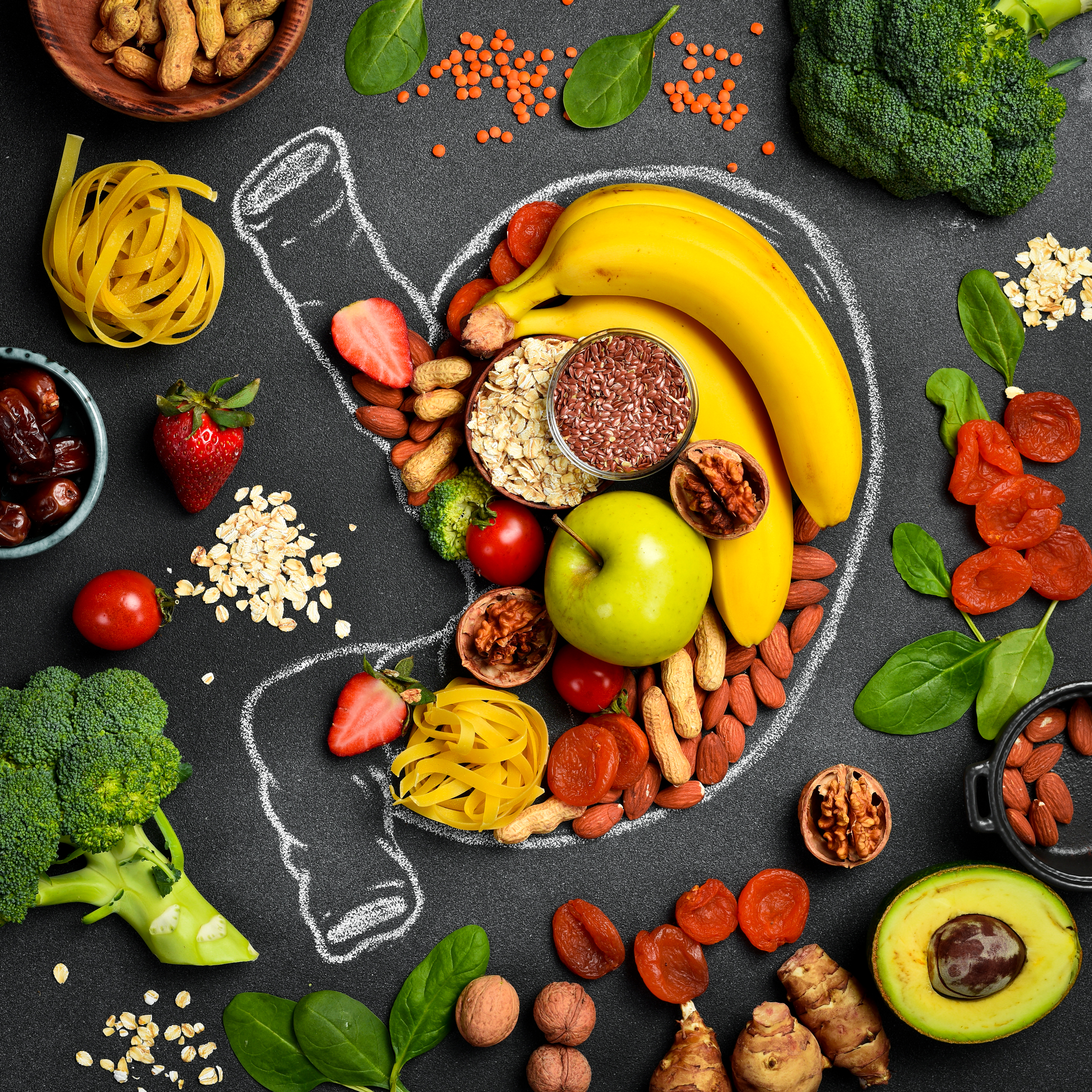
Nutrition plays a vital role in the production of serotonin and GABA, both of which influence mood and relaxation. Foods rich in omega-3, tryptophan, and probiotics can support these neurotransmitters. Incorporating these into your diet can create a more balanced and harmonious mood. Explore more on serotonin’s role in the gut.
Blood Sugar, Cortisol, and Energy Balance
Balancing blood sugar can prevent spikes in cortisol, a stress hormone. When blood sugar levels fluctuate, cortisol can spike, leading to energy crashes. Eating balanced meals with protein, healthy fats, and fiber can help stabilize these levels. This not only supports gut health but also keeps your energy steady throughout the day.
Understanding and improving the gut-brain connection can open up new avenues for feeling your best. Whether it’s managing stress, improving mood, or boosting energy, your gut plays a pivotal role.
For more insights into the gut-brain connection, you can read further here.
Leave a Reply